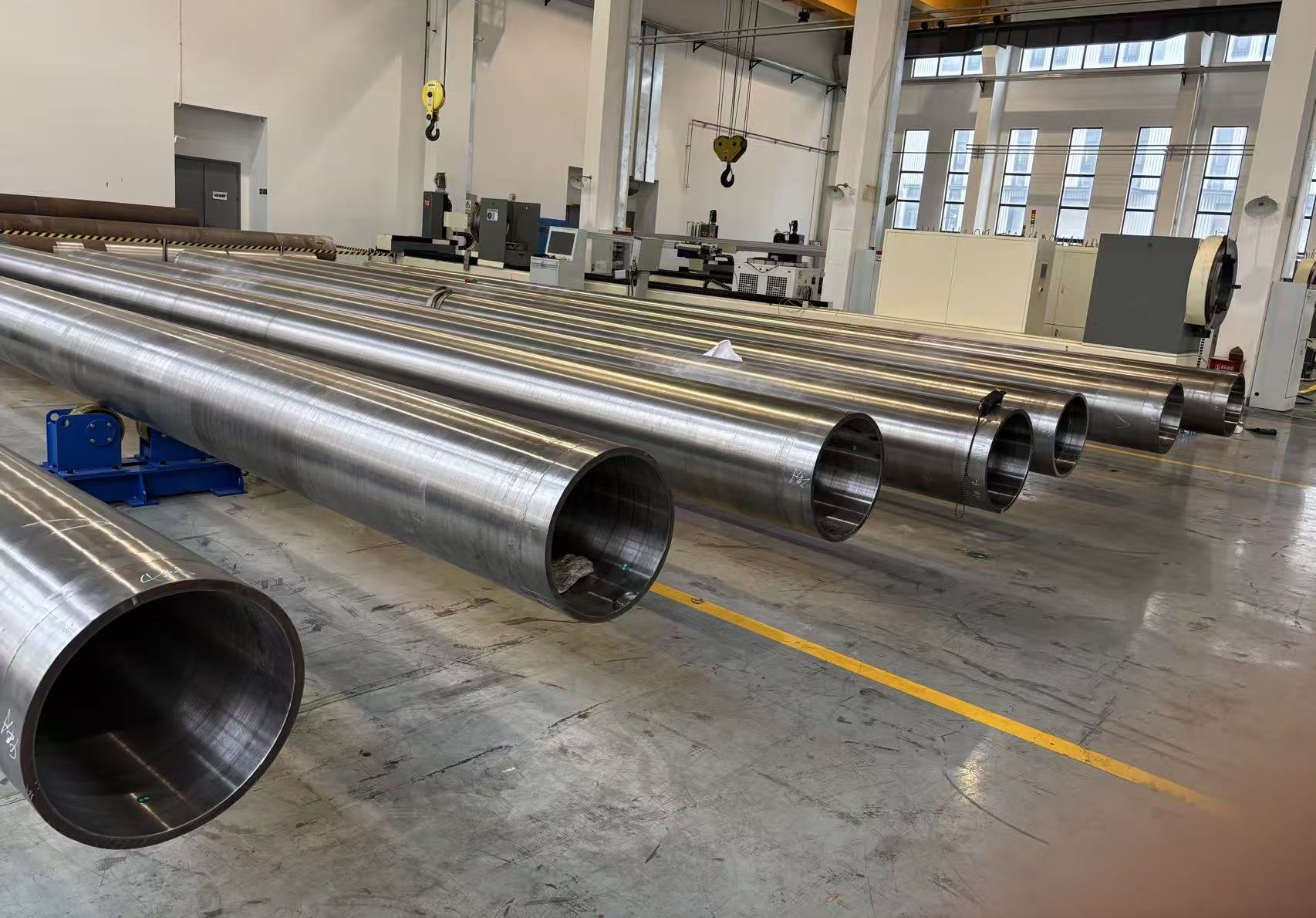
Energy Storage Pipes
Application Scenarios: High-pressure air transmission pipelines and wellbores for large-scale Compressed Air Energy Storage (CAES) systems, especially in salt cavern storage scenarios with complex geological conditions.
Core Pain Points: Pipelines face severe challenges from underground brine corrosion, pulsation fatigue caused by frequent high-pressure charging and discharging, and the need for long-term high-pressure sealing integrity. Traditional coatings or linings are prone to peeling or failure under high-pressure cycling.
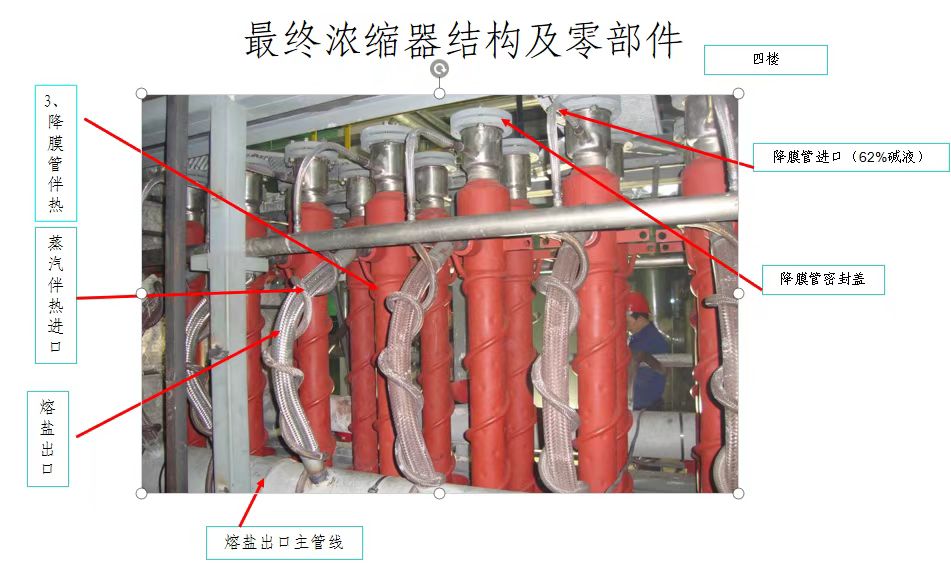
Petrochemical Pipes
Application Scenarios: Reactors, heat exchangers, and process pipelines in refining, chemical, and coal chemical plants where corrosive environments are extremely complex.
Core Pain Points: Complex medium compositions and varied corrosion mechanisms (such as the interaction of naphthenic acid corrosion, polythionic acid stress corrosion cracking, and electrochemical corrosion) place extremely demanding requirements on material selection.
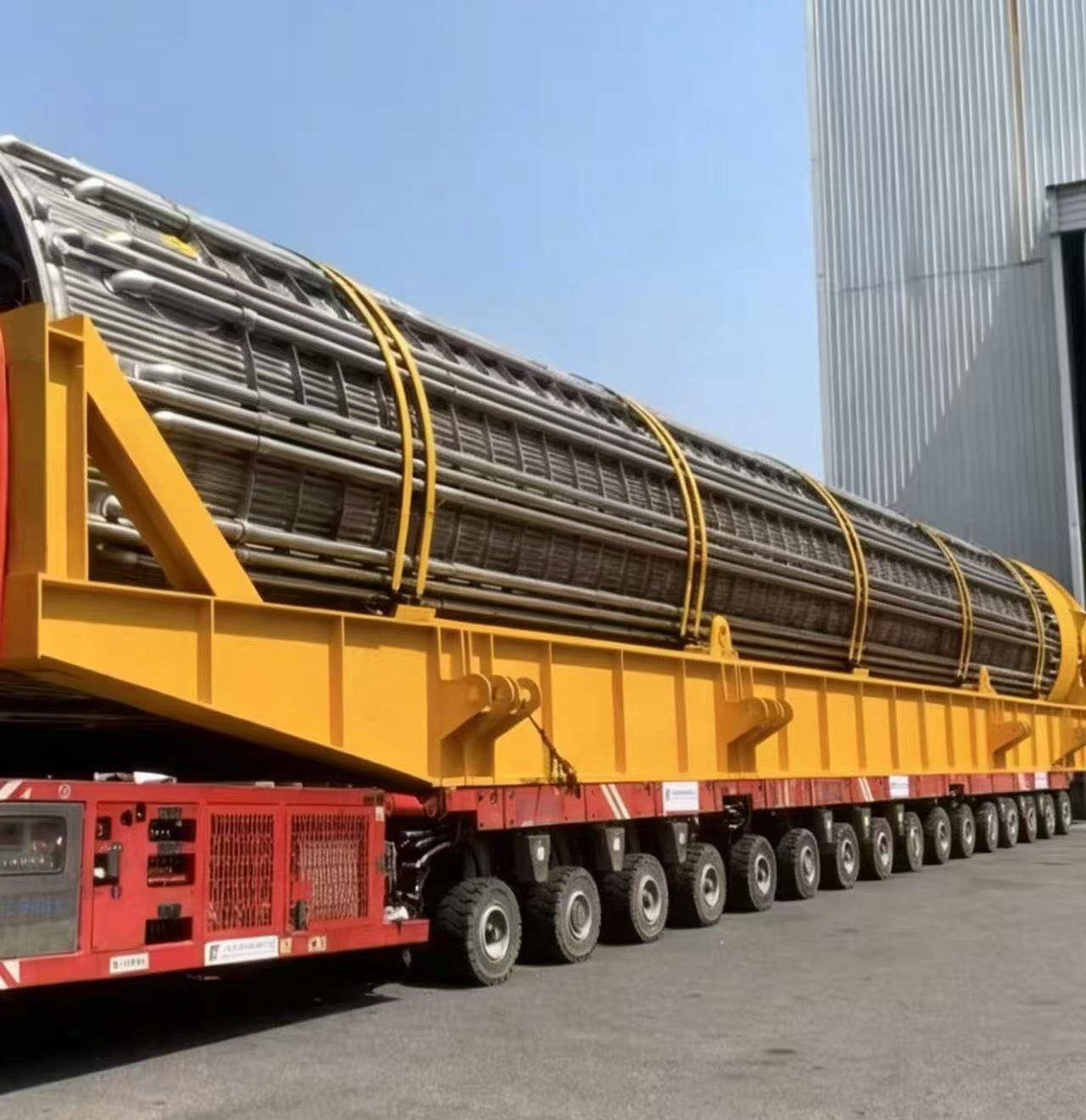
Boiler Tubes
Application Scenarios: High-temperature heating surfaces (such as water walls and superheaters) of power station boilers burning low-quality fuels like high-alkali and high-chlorine coal from Xinjiang.
Core Pain Points: High levels of alkali metals and chlorine in the fuel generate low-melting-point complex sulfates and chloride vapors during combustion. This causes severe high-temperature chlorine and alkali metal corrosion on the tube walls, leading to rapid thinning and tube bursts.
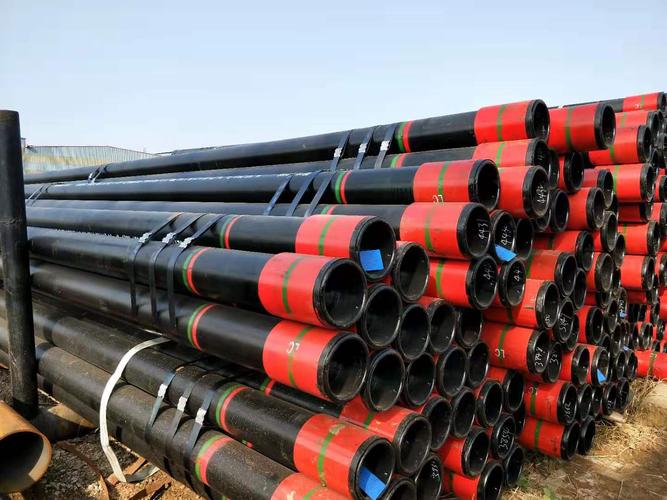
Oil Casing and Tubing
Application Scenarios: Complex and harsh oil and gas well conditions such as sour gas fields (containing H₂S/CO₂), heavy oil thermal recovery, and abrasive sand environments.
Core Pain Points: Traditional carbon steel strings have high corrosion or wear rates, while the cost of solid high-alloy strings is prohibitive. In thermal recovery wells, frequent steam injection also accelerates the degradation of material performance.
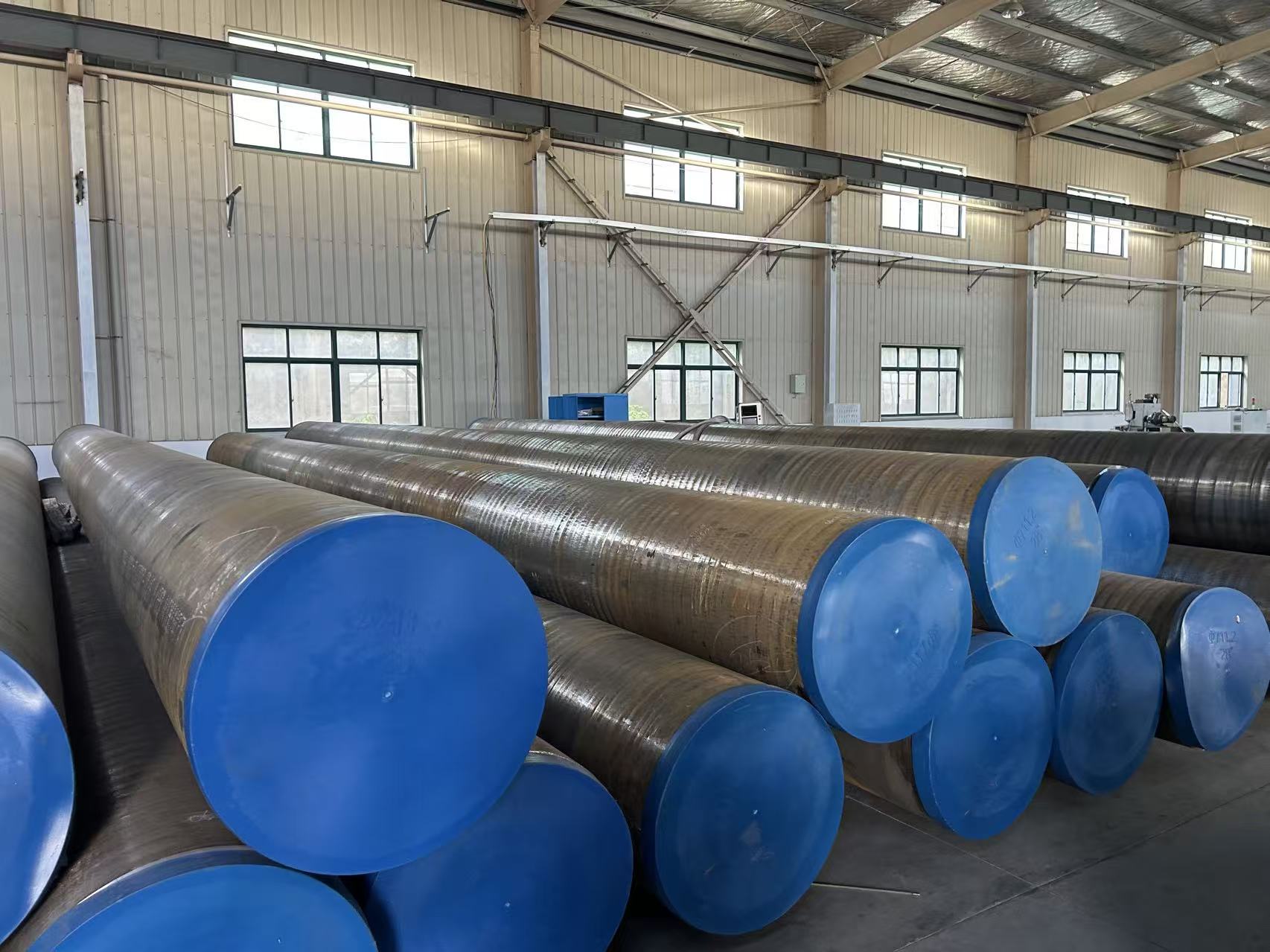
Line Pipes
Application Scenarios: Onshore and offshore oil and gas gathering and trunk pipelines transporting fluids containing corrosive media (such as H₂S, CO₂, and chloride ions).
Core Pain Points: Internal pipe walls face threats of uniform corrosion, localized pitting, and stress corrosion cracking. Ordinary steel pipes are not corrosion-resistant, while solid alloy pipes are too costly; mechanical composite pipes carry potential risks of interface failure under pressure and bending stress.